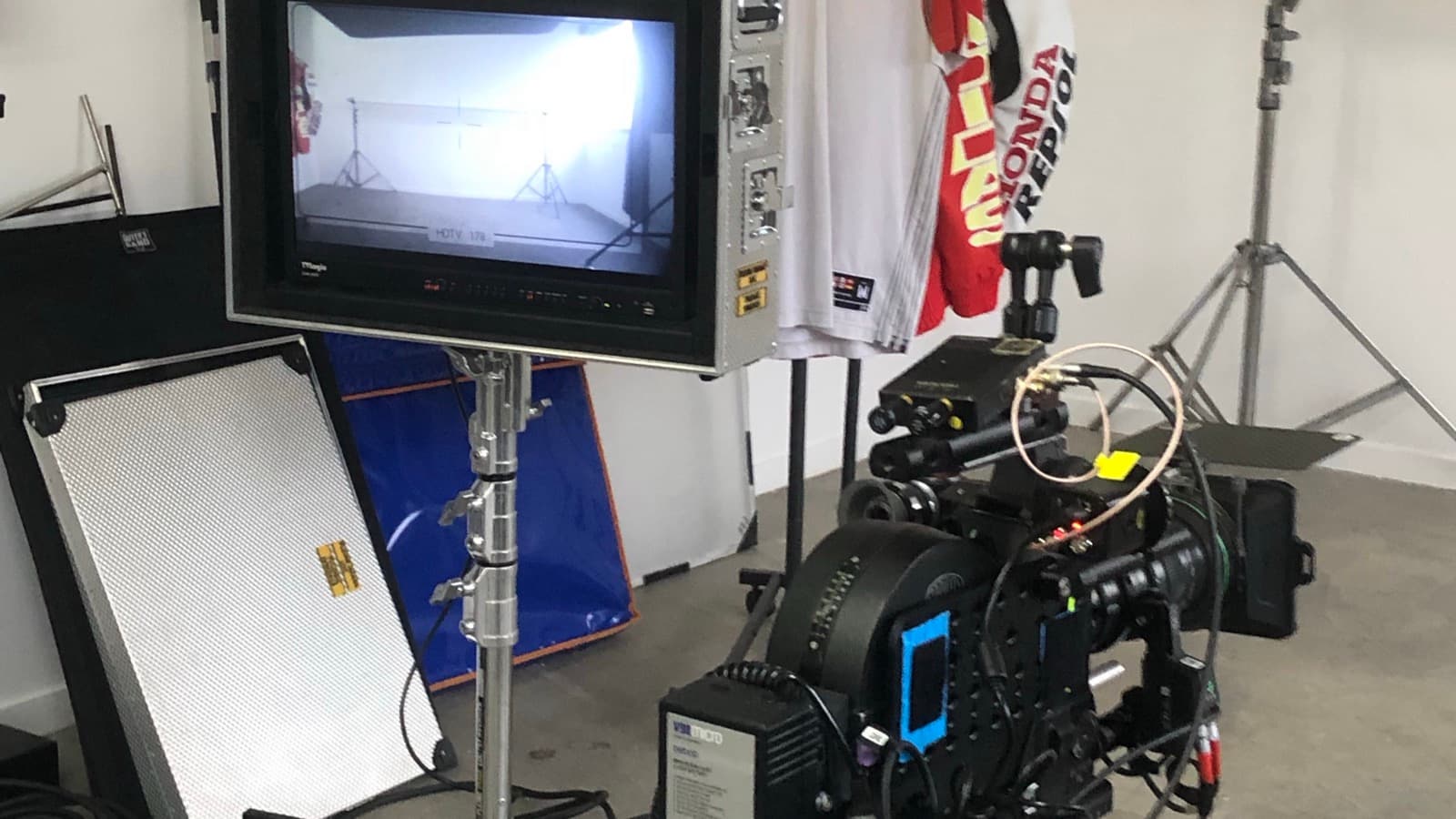
Here is a strange fact about social media: the content you spend the least effort on often performs the best. Your polished, scripted, heavily edited posts compete against millions of other polished posts. Your raw behind-the-scenes content competes against almost nothing, because almost nobody bothers to make it. Audiences have learned to discount finished marketing — they believe what they can see happening. When you show the messy reality behind the work, you are not producing content, you are producing proof.
TL;DR: Behind-the-scenes content shows how you actually work — people, process, workspace, and unpolished moments — and it builds trust faster than polished posts because process reads as evidence, not advertising. The four categories are people, process, place, and moments, and the formats that outperform are mistake-and-recovery stories, day-in-the-life, and decision-making content. You need no budget: a phone and ten minutes of daily capture feed two to three posts a week. Keep it honest, keep it consistent, and let BTS carry roughly a fifth of your feed.
Why behind-the-scenes content works
Trust on social media follows a simple logic: audiences discount claims, but they believe what they can watch happen. A workshop tour proves you have a workshop. A quality check proves you do quality checks. A video of you re-doing a take proves the work is real. No claim required.
The data backs the instinct. In Wyzowl's 2026 research, 89% of consumers say the quality of a brand's video shapes their trust in it — where "quality" means credible, clear, and honest, not glossy. 84% say they want more video from brands this year. Meanwhile, the 2024 Edelman Trust Barometer found nearly 60% of people no longer trust traditional advertising. The gap between those two numbers is where BTS lives: people distrust the polished ad, and they reward the honest process.
There is a second reason it works: it deepens the parasocial bond. People who feel connected to a creator are more likely to trust recommendations, buy what is promoted, and stick around long-term. BTS is the fastest way to strengthen that bond — you are letting the audience inside, and inside feels like a relationship.
What counts as behind-the-scenes content
BTS is broader than most creators assume. You do not need a production line or a film set. Any work that has a process has BTS content. Four categories cover almost everything:
| Category | What it includes | Example |
|---|---|---|
| People | The humans behind the work | A day in the life, the person behind this week's uploads, your first 30 minutes of the day |
| Process | How things actually get made | Filming a video from outline to publish, the failed take, the tools that do the real work |
| Place | Where the work happens | An unstyled workspace tour, the setup before you record, the desk at 11pm |
| Moments | The beats between results | Reacting to a milestone, the rehearsal before a launch, the moment something ships |
Notice what is missing: nothing about production value. A phone, decent light, and clean audio are enough. A little roughness makes the content read as more real, not less. The budget argument disappears entirely — you are already doing the work, and the content is simply watching it happen.
The formats that outperform
Not all BTS is created equal. Within the four categories, three formats consistently outperform:
1. Mistake and recovery. The batch that failed, the video you almost deleted, the launch that flopped. Vulnerability pays disproportionately large trust dividends because it is the hardest thing to fake. Show the problem, then show how you fixed it. This is engagement gold — problem-solving moments create incredible comments and saves.
2. Day in the life. A structured peek at the rhythms of your work. Time-lapses work especially well here: hours of filming compressed into thirty seconds is both hypnotic and proof of effort.
3. Decision-making. "We had to choose between X and Y; here is what we decided and why." Audiences love being let into strategic thinking. It positions you as someone who thinks, not just someone who posts.
Bloopers and outtakes are the most shareable BTS of all. The take that went wrong is often more relatable than the polished version. Save your failures — they are future content.
A simple BTS system (no planning required)
The mistake creators make is treating BTS as a separate content type that needs its own production plan. It does not. Use this system:
- Capture ten minutes a day. Film the moments that already happen: setting up the camera, the quality check, the packing of an order, the screen before you hit publish. Ten minutes of capture a day feeds two to three posts a week.
- Batch the capture. Film a whole week of process in one work session — setup, the messy middle, the handover. You get multiple posts from one session.
- Keep a 20% ratio. Roughly one in five posts should be BTS. It keeps your feed from becoming all-backstage while ensuring the trust-building work happens consistently. Block BTS slots in your content calendar in advance — they are easier to fill when you have committed to them.
- Narrate, do not just show. Raw footage of packing boxes is fine. Raw footage of packing boxes while explaining why you hand-write thank-you notes is compelling. The reasoning is where the personality lives.
- Run a weekly series. A "here is what happened behind the scenes this month" or "how I made this video" series creates anticipation and gives you a standing format you never have to invent.
One more thing: BTS drives different engagement than educational content. It generates questions, comments, and DMs — "what camera do you use?", "how did you handle that situation?" — which are exactly the signals platforms reward in 2026. It also opens the most natural conversion path in social media: "I saw your behind-the-scenes video — can I ask you a few questions?" That DM is worth more than a hundred likes.
How BTS performs on each platform
BTS is not one format — it behaves differently depending on where you post it. Match the platform and it works everywhere:
| Platform | Best BTS format | Why it works there |
|---|---|---|
| TikTok | Raw phone footage, mistake-and-recovery, timelapses | The algorithm rewards authentic, unpolished content; perfection reads as an ad |
| Stories during the workday, Reels of setup moments | Stories are built for casual, in-the-moment sharing — zero production required | |
| YouTube | Documentary-style process videos, studio tours | Long-form BTS becomes anchor content; "how I made this" videos outrank tutorials in some niches |
| Decision-making posts, process breakdowns with photos | Professionals reward transparency about thinking; written BTS with a few photos performs strongly |
The same 10 minutes of capture can feed all four: a vertical clip for TikTok and Stories, a longer cut for YouTube, and a photo set with a caption for LinkedIn. BTS is the most repurposable content you make, because its raw material is your actual day.
Filming BTS without feeling awkward
The biggest reason creators skip BTS is discomfort — pointing a camera at your own process feels performative until you get used to it. These five habits make it painless:
- Set the camera and forget it. Put your phone on a shelf or tripod at the start of a work session and let it record. You are not making content; you are capturing material. Review the footage later and pull the best 30 seconds.
- Narrate while you work. Talk to the camera as if explaining to a friend what you are doing and why. The explanation is the content — the work is just the backdrop.
- Film the boring parts. Setup, packing, the failed take, the redo. What feels routine to you is fascinating to someone who does not do your job. Normalcy is interesting to outsiders.
- Use timelapses. Hours of work compress into seconds and suddenly look impressive. Every phone can do this natively.
- Batch the awkwardness. Capture a whole week of process in one session — a "how I make my videos" day — and you get five or six posts from a single uncomfortable afternoon.
The rule that makes it all easier: BTS needs honesty, not polish. A phone, decent light, and clean audio are enough. Roughness is a feature, because it is what makes the content read as real.
How to measure whether BTS is working
BTS changes the kind of engagement before it changes the numbers. Judge it on the right metrics:
- Comments, saves, and DMs over likes. BTS generates questions ("what camera do you use?", "how did you fix that?") and saves — the heavy engagement signals platforms weight most. A BTS post with half the likes of your polished content but triple the comments is winning.
- Direct messages opened. "I saw your behind-the-scenes video — can I ask you something?" is the highest-intent engagement a creator can receive. Track how many conversations BTS starts.
- Repeat behavior. For product-based creators, the real test is repeat purchases: do customers who saw your process buy again? BTS builds the trust that makes repeat buying feel safe.
- Audience surveys. Ask your most engaged followers directly: "Does seeing how we work make you trust us more?" An overwhelming yes is a signal to double down.
If you post BTS consistently for a month and engagement depth climbs while your polished posts hold steady, the strategy is working. The raw reach might not spike — the relationship quality will.
What not to do
- Do not over-polish. No heavy filters, no scripted perfection. The rawness is the asset. The moment BTS becomes a highlights reel, it stops being BTS.
- Do not hide mistakes. If a post underperforms or a project flops, address it publicly. Deleting criticism or failures makes everything else you post feel curated.
- Do not be vague. "We work hard" without specifics builds nothing. Show the real hours, the real tools, the real people.
- Do not worry about trade secrets. There is a difference between showing your craft and publishing your exact formulas or supplier contracts. Show the process; keep the proprietary numbers private. Most creators err far too far on the side of caution.
Make BTS part of your strategy
The creators who build the strongest communities are not the ones with the best production. They are the ones who consistently let their audience into the real work — and make that feel like a privilege, not a compromise. Start this week: pick the easiest idea from the table above, capture it with your phone, and post it within 48 hours. Then give the format a real slot in your calendar for a month and watch what your audience asks you.
And when people start engaging with your process, make sure they can actually find the finished work. The classic failure is a great BTS video with nowhere to go — no link to the full video, the product, or the newsletter. A clean link-in-bio like Biolinky fixes that in one tap: pin the BTS post to your page, route viewers to the finished piece, and close the loop between "I trust you" and "I'll check out your work."
Process is proof. The work you are already doing is content gold — film it, share it honestly, and let your audience trust you because they watched you work.